

Choosing the best dog food for puppies in 2026 is crucial for their growth and health. Puppies need balanced nutrition to thrive. With so many options, finding the right dog food can be overwhelming. Puppy food brands are constantly evolving. Vet recommended puppy food often tops the list for quality. These foods are formulated to meet specific nutritional needs. Understanding what makes the best dog food for puppies is key. Protein, fat, and essential nutrients play vital roles. The market offers a variety of choices, from organic to grain-free options. Each has its benefits and considerations. Reading labels and understanding ingredients is important. This helps ensure your puppy gets the best nutrition possible.
Consulting with a vet can provide personalized advice. They can recommend the best options for your puppy’s needs.
In this guide, we’ll explore top puppy food brands and expert recommendations for 2026. When you are ready to shop, start with our puppy food aisle, the full dog food collection, or the main dog category.
Why Nutrition Matters for Puppies in 2026
Nutrition is foundational for a puppy’s growth and development. It influences their overall health and vitality. Balanced diets ensure they grow strong and robust. Proper nutrition supports cognitive development, enhancing learning and behavior. Essential fatty acids, like DHA, promote brain and vision health. Energy levels are directly tied to diet quality. High-quality protein is critical for muscle growth and endurance. Puppies need more protein than adult dogs. Bones are developing rapidly during puppyhood. Adequate calcium and phosphorus prevent skeletal issues. These nutrients ensure healthy bone structure and support growth. Immune health is another critical aspect of nutrition. Antioxidants and vitamins help fend off diseases. A nutritious diet lays the foundation for a strong immune system.
Key Benefits of Puppy Nutrition:
- Supports growth and development
- Enhances brain and vision development
- Strengthens immune system
- Promotes energy and muscle health
- Ensures strong bones
Correcting nutritional imbalance early can prevent health issues. Proper feeding now is an investment in your puppy’s future.
Key Nutrients Every Puppy Needs
A complete diet is vital for growing puppies. It provides the building blocks for their health. Every nutrient plays a specific role in their development.
Protein is essential for muscle and tissue growth. High-quality protein aids in maintaining energy levels. It’s the most crucial nutrient for active puppies.
Fats supply energy and support cell structure. Essential fatty acids, like omega-3, aid in cognitive function and healthy skin. DHA is crucial for brain development.
Minerals like calcium and phosphorus are fundamental. They are essential for proper bone and dental formation. A balanced ratio prevents bone-related disorders.
Vitamins and antioxidants enhance immune responses. They protect against infections and support metabolic functions. A varied diet full of vitamins ensures peak health.
Essential Nutrients for Puppies:
- High-quality protein
- Essential fatty acids (Omega-3, DHA)
- Balanced calcium and phosphorus
- Vital vitamins and antioxidants
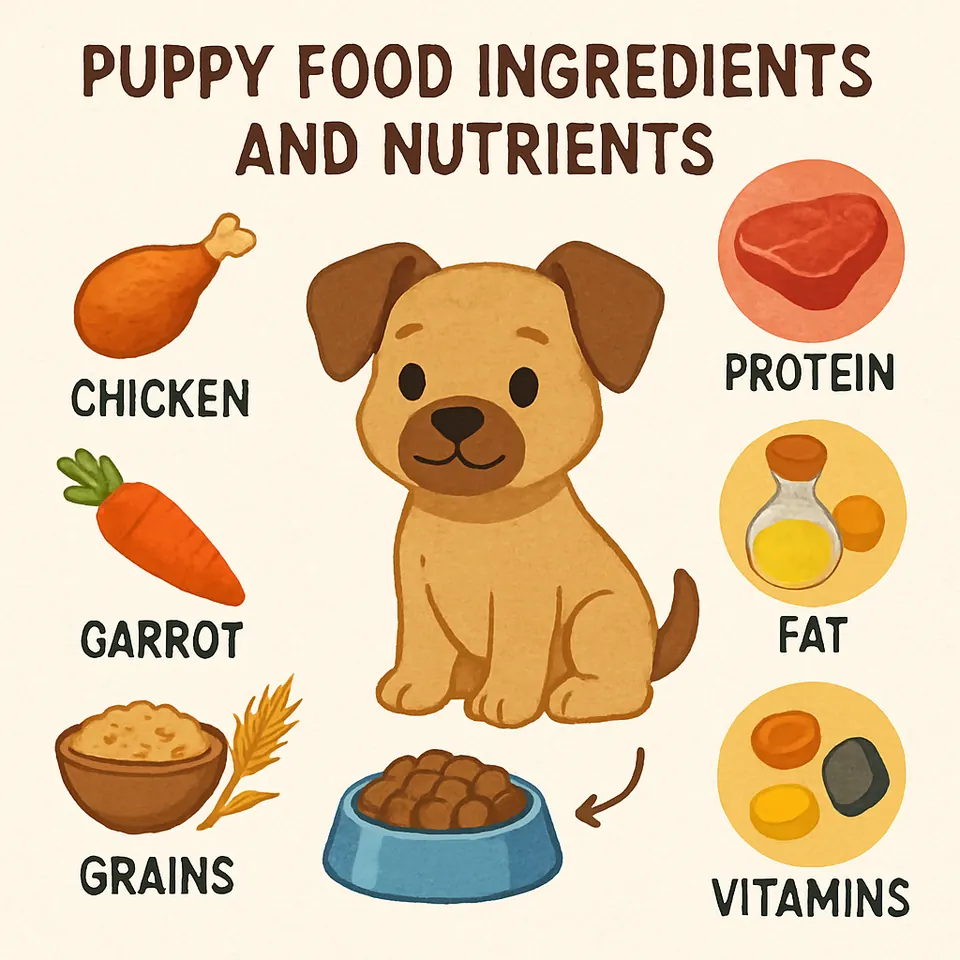
Feeding puppies a nutrient-rich diet sets them up for success. These nutrients work together to ensure a happy, healthy dog. Investing in their nutrition is crucial for their well-being.
Puppy Food vs. Adult Dog Food: What’s the Difference?
Puppies and adult dogs have different dietary needs. Puppy food is specially formulated to support rapid growth and development. It contains higher levels of protein and fat for energy.
Adult dog food doesn’t match puppies’ high-energy needs. It generally has lower fat content. This balance helps maintain an adult dog’s weight.
Calcium and phosphorus ratios in puppy food are critical. These minerals are essential for proper bone growth. Adult dog food doesn’t typically provide these higher mineral levels.
Key Differences:
- Higher protein in puppy food
- Increased fat content for energy
- Essential mineral levels for bone development
Choosing the right food ensures optimal growth. Providing age-appropriate nutrition supports a pet’s health throughout life stages.
Vet Recommended Puppy Food: What the Experts Say
Veterinarians emphasize the importance of nutrient-dense puppy diets. They recommend foods rich in essential vitamins and minerals. These nutrients support overall growth and immune health.
DHA is often highlighted as crucial. It’s an omega-3 fatty acid important for brain and vision development. High-quality puppy foods should contain adequate DHA levels.
Protein is another vital element. It plays a key role in muscle development. Experts suggest choosing foods with high-quality animal protein sources.
Vet recommended options often undergo rigorous quality checks. They meet AAFCO standards to ensure nutritional adequacy. Look for brands with a strong track record of safety, including formulas like Wag dry puppy food.
Expert Recommendations:
- Nutrient-dense with essential vitamins
- Rich in DHA for cognitive health
- High-quality protein sources
- AAFCO approval for nutritional standards

by Sindy Strife (https://unsplash.com/@sindystrife)
Top Puppy Food Brands in 2026
Choosing the right brand can significantly impact your puppy’s development. The best puppy food brands prioritize quality ingredients and balanced nutrition. They cater to various dietary needs and preferences.
In 2026, several brands stand out for their quality and innovation. They offer a range of products that fit different budgets and health requirements. Here’s a look at the top contenders:
- Hypro: Best Overall Puppy Food
- Hill’s Science Diet: Best for Sensitive Stomachs
- Blue Buffalo: Best Organic Puppy Food
- Orijen: Best Grain-Free Puppy Food
- Pedigree: Best Budget-Friendly Puppy Food
1. Hypro: Best Overall Puppy Food
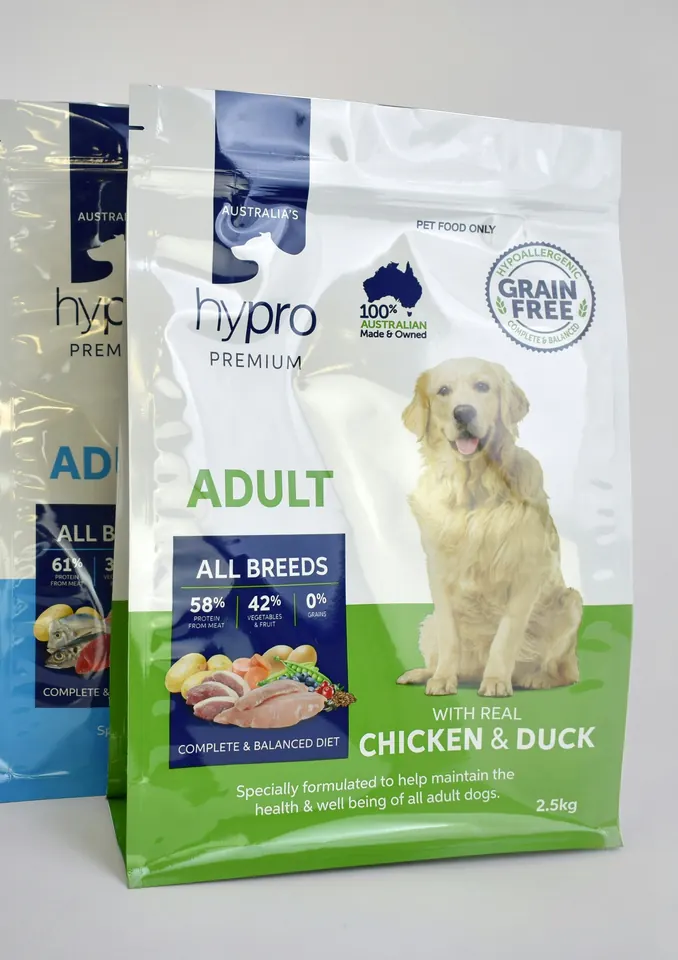
Hypro has a stellar reputation for quality and nutrition. It uses premium ingredients without artificial fillers. Puppies thrive on its balanced formulas designed for optimal growth. Hypro is a top choice for pet owners seeking the best nourishment. It includes high-quality proteins and essential nutrients. Plus, it has flavors that puppies love.
Key Features:
- Premium ingredients without fillers
- High-quality proteins
- Balanced nutrition
by Content Team (https://unsplash.com/@contentrgc)
2. Hill’s Science Diet: Best for Sensitive Stomachs
Hill’s Science Diet is perfect for puppies with delicate digestive systems. It offers gentle, easily digestible formulas. These products reduce the risk of discomfort and allergies.
Pet owners find confidence in Hill’s Science Diet’s transparent ingredient list. The formula focuses on simple proteins and minimal additives, ensuring digestion ease. It’s a relief for many pups and owners alike.
Key Features:
- Gentle, digestible formulas
- Minimal additives
- Simplified ingredient list

3. Blue Buffalo: Best Organic Puppy Food
For health-conscious pet parents, Blue buffalo shines with its organic credentials. It emphasizes sustainable farming methods and non-GMO ingredients. This brand prioritizes the earth and your puppy’s health.
Blue Buffalo appeals to those wanting clean, natural diets for their puppies. Its formulas include organic meats and pesticide-free vegetables. It’s a win-win for health and sustainability.
Key Features:
- Certified organic ingredients
- Non-GMO and sustainable sourcing
- Pesticide-free produce
4. Orijen: Best Grain-Free Puppy Food
Orijen is renowned for its grain-free recipes. It offers robust nutrition without grains that could cause allergies. This suits puppies needing or benefiting from alternative diets.
Orijen uses quality proteins like duck and turkey. It provides essential nutrients while avoiding common allergens. Puppies enjoy their meals while maintaining optimal health.
Key Features:
- Grain-free formulations
- High-quality alternative proteins
- Allergen-free for sensitive pups
5. Pedigree: Best Budget-Friendly Puppy Food
Quality does not have to break the bank, as Pedigree proves. It offers nutritious and affordable options for cost-conscious pet owners. The brand focuses on providing value without compromising essential nutrients.
Pedigree’s products meet AAFCO standards, ensuring balanced growth for your puppy. This makes it a smart choice for budget-friendly, yet quality nutrition. Puppies get their needs met without straining finances.
Key Features:
- Affordable price with high nutrition value
- Meets AAFCO standards
- Value and quality combined
How to Read Puppy Food Labels in 2026
Understanding puppy food labels helps you make informed choices. Labels provide crucial details about nutrition and ingredients. It’s important to know what to look for.
First, check for the AAFCO statement. This indicates the food meets nutritional standards for growth. Also, look for primary protein sources listed at the top of the ingredients list.
Avoid products with artificial additives and fillers. Quality puppy food includes natural ingredients and essential nutrients. Here’s a quick guide to what you should focus on:
- AAFCO approval
- Primary protein sources
- Absence of artificial additives

by kevin turcios (https://unsplash.com/@kevin_turcios)
Wet vs. Dry Puppy Food: Pros and Cons
Choosing between wet and dry puppy food depends on your puppy’s needs. Each type has its benefits and drawbacks. Understanding these can help you decide what’s best.
Wet puppy food often contains more protein and moisture. It keeps puppies hydrated and is easier to chew. However, it can be more expensive and spoils quickly.
Dry puppy food is convenient and promotes dental health. It has a longer shelf life and is usually more budget-friendly. On the downside, it’s less hydrating and may have less protein.
Here’s a quick comparison:
- Wet Food: Hydrating, high in protein, spoils quickly
- Dry Food: Convenient, budget-friendly, less protein

by Liana S (https://unsplash.com/@cherstve_pechivo)
Special Diets: Grain-Free, Limited Ingredient, and More
Special diets are becoming more common for puppies in 2026. Grain-free options appeal to pet owners aiming to avoid grains. Formulas such as Wag grain-free puppy food are made without grains. These diets can benefit dogs with grain allergies.
Limited ingredient diets focus on simplicity. They often include fewer proteins and additives. This can help identify and avoid allergens. Simplicity doesn’t compromise on nutrition.
Consider these popular diet choices:
- Grain-Free: Great for grain allergies
- Limited Ingredient: Helps spot specific allergies
- Organic/Natural: Avoids artificial ingredients
Before changing your puppy’s diet, consult a veterinarian. A vet’s advice ensures the chosen diet supports your pup’s health.
by Andrew Valdivia (https://unsplash.com/@donovan_valdivia)
How to Transition Your Puppy to New Food
Switching your puppy’s food requires care. A slow transition prevents digestive issues and discomfort. Gradually mix small amounts of the new food with the current diet. Increase the proportion over 7-10 days.
Here are the transition steps:
- Days 1-3: 25% new food, 75% old food
- Days 4-6: 50% new food, 50% old food
- Days 7-9: 75% new food, 25% old food
- Day 10: 100% new food
Observe your pup for signs of distress. Adjust the transition process if needed to ensure your puppy’s comfort.
Feeding Tips: Schedules, Portions, and Treats
Establishing a regular feeding schedule promotes healthy habits. Consistency helps regulate a puppy’s metabolism and energy levels. Choose three evenly spaced meals daily to start.
Portion control ensures your puppy receives adequate nutrition. Adjust portions based on size, breed, and activity levels. Consult a vet for specific dietary needs to tailor portions accordingly.
Treats can reinforce positive behavior but should be used sparingly. Ensure puppy treats are nutritious and non-toxic. Avoid overfeeding by incorporating treats into the total daily calorie count.
Here are some feeding tips:
- Stick to a regular feeding schedule
- Monitor portion sizes
- Use treats wisely and sparingly
Keep these tips in mind to support your puppy’s growth and development.
Common Puppy Food Allergens and How to Avoid Them
Puppies can have food allergies just like humans. Common allergens include beef, dairy, wheat, and chicken. If your puppy shows signs of allergies, consult a vet for a diagnosis.
To prevent allergic reactions, choose foods with simple ingredients. Limited ingredient diets are often a good choice for sensitive puppies. Read labels carefully to identify potential allergens.
Consider these options to avoid common allergens:
- Select limited ingredient diets
- Monitor your puppy’s reaction to new foods
- Always consult with your vet for advice
By being proactive, you can help your puppy avoid discomfort caused by allergies.
Frequently Asked Questions About Puppy Food in 2026
What makes a puppy food brand the best in 2026?
A top brand combines high-quality ingredients and balanced nutrition. It offers formulas tailored to different puppy needs. Vet recommendations and positive reviews also play a crucial role.
Should I choose organic food for my puppy?
Organic puppy food can be beneficial as it avoids synthetic pesticides and artificial additives. However, ensure it meets essential nutritional requirements before making a switch.
How important is AAFCO approval?
AAFCO approval indicates that the puppy food meets minimum nutritional standards. Look for AAFCO approval to ensure comprehensive nutrition for your puppy’s growth.
Can puppies eat adult dog food?
Puppies have unique dietary needs that differ from adults. Feeding adult dog food can lead to nutrient deficiencies. Always choose food specifically designed for puppies.
Is grain-free food a good choice for puppies?
Grain-free food can be beneficial for puppies with sensitivities. However, consult your vet to assess if it’s the right choice, as research on grain-free diets is evolving.
How often should I change my puppy’s food?
Change your puppy’s food gradually to avoid digestive issues. A slow transition every few months can help maintain a balanced diet and prevent food boredom.
Conclusion: Choosing the Best Dog Food for Puppies in 2026
Selecting the best dog food for your puppy is a crucial decision. It impacts their growth, health, and happiness. Understanding your puppy’s nutritional needs is the first step.
Consider food that matches their lifestyle, health requirements, and taste preferences. Always consult your veterinarian for advice and ensure the food meets AAFCO standards. Remember, investing in good nutrition early sets the foundation for a healthy and vibrant life for your furry friend. Shop puppy food, compare options in dog food, or browse all dog supplies when you are ready to stock up.